
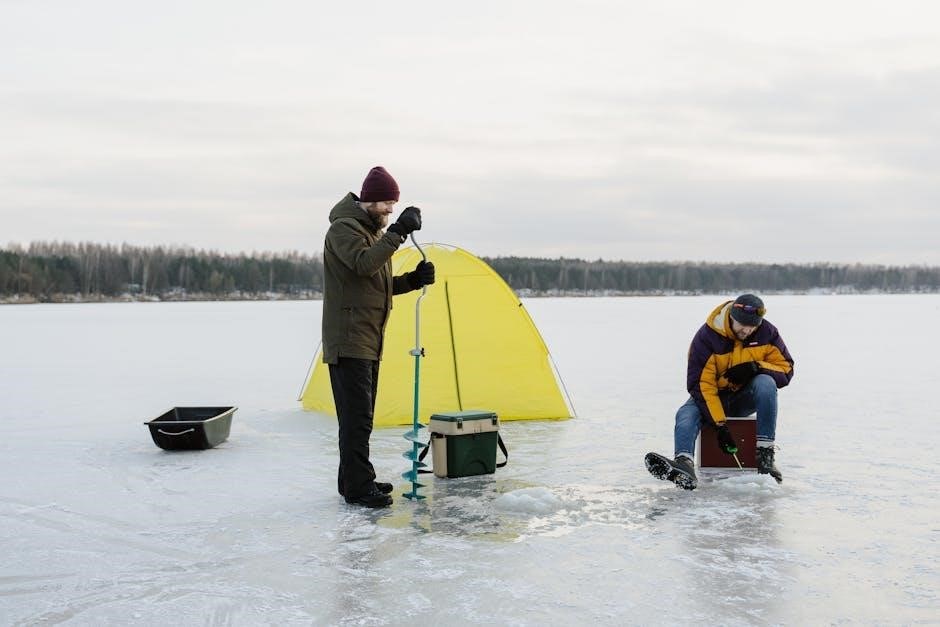
guided rod
Guided rods are essential tools, influencing casting accuracy and line control, vital for diverse fishing techniques like spinning and casting.
Selecting the correct rod, considering power and action, directly impacts fishing success, as highlighted by technique-specific applications.
What is a Guided Rod?
A guided rod is a fishing rod equipped with strategically placed rings, known as guides, along its length. These guides serve a crucial function: they manage the fishing line as it travels from the reel to the lure or bait, and back again during retrieval.
Essentially, they direct the line, minimizing friction and preventing tangles. Different fishing techniques, such as spinning or casting, necessitate distinct guide configurations; Spinning rods feature guides facing downwards, while casting rods have guides oriented upwards.
Understanding this fundamental aspect is key, as relying on a single rod for all techniques limits productivity. The guides are integral to a rod’s overall performance, impacting casting distance and accuracy.
The Importance of Rod Guides
Rod guides are paramount to efficient fishing, directly influencing casting distance, accuracy, and overall line control. They minimize friction, preventing line damage and ensuring smooth operation during both casting and reeling.
Properly aligned guides distribute stress evenly, enhancing the rod’s power and sensitivity. Without them, line would chafe against the rod itself, leading to breakage and reduced casting performance.
The orientation of guides – downward for spinning, upward for casting – optimizes line flow for each technique. Choosing a rod with quality guides is crucial for a productive and enjoyable fishing experience.
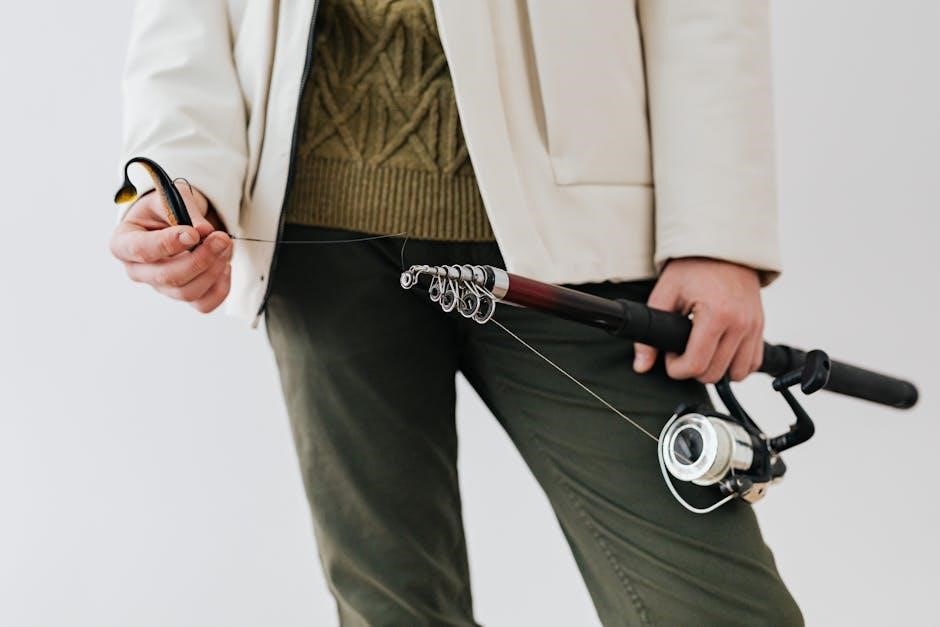
Types of Fishing Rods and Their Guides
Fishing rods vary – spinning, casting, and interline – each utilizing unique guide orientations for optimal line management and technique-specific performance.
Spinning Rods and Guide Orientation
Spinning rods feature guides oriented downwards, facing towards the angler, a design crucial for managing monofilament and braided lines used with spinning reels.
This configuration minimizes line twist during casting and retrieval, enhancing casting distance and accuracy, particularly for techniques targeting walleye, trout, and panfish.
The downward-facing guides efficiently direct the line from the reel to the rod tip, reducing friction and improving overall casting performance.
Understanding this orientation is key to selecting the right rod for specific fishing applications and maximizing angling success.
Casting Rods and Guide Orientation
Casting rods utilize guides positioned upwards, facing away from the angler, a design optimized for the heavier lines and more powerful casting techniques employed with baitcasting reels.
This upward orientation facilitates smoother line flow during casts, reducing friction and maximizing casting distance, essential for targeting species like bass, pike, and musky.
The guides’ angle helps control the line as it leaves the spool, minimizing backlashes and improving accuracy.
Understanding this difference from spinning rods is vital for choosing the appropriate gear for specific fishing styles and maximizing performance.
Interline Rods: A Unique Approach
Interline rods represent a fascinating departure from conventional guide systems, embedding the line within the rod itself, eliminating external guides altogether.
This innovative design minimizes line-to-rod contact, drastically reducing friction and enhancing casting distance, particularly beneficial in situations demanding extreme casts.
While less common, interline rods offer a unique solution for specific fishing scenarios, challenging conventional notions of guide placement and function.
Exploring this alternative reveals the diverse possibilities in rod design and its impact on overall fishing performance, as noted in online discussions.
Understanding Rod Guide Materials
Rod guides utilize materials like ceramic, metal, and Silicon Carbide (SiC), each offering varying durability, line protection, and performance characteristics for optimal casting.
Ceramic Guides: Durability and Line Protection
Ceramic guides represent a popular choice for anglers due to their exceptional durability and ability to protect fishing lines from damage. These guides effectively minimize friction, contributing to smoother casts and reduced line wear, extending line lifespan.
They are particularly well-suited for use with monofilament and fluorocarbon lines, safeguarding them against abrasion. While traditionally more affordable than SiC, modern ceramic formulations offer enhanced performance.
Their robust nature makes them ideal for various fishing scenarios, providing reliable performance across different techniques and target species, ensuring longevity and consistent functionality.
Metal Guides: Traditional and Cost-Effective
Metal guides represent a longstanding, traditional option in rod building, primarily valued for their cost-effectiveness. Often constructed from materials like aluminum oxide, they provide a budget-friendly solution for anglers entering the sport or seeking a simpler setup.
While not offering the same smoothness as ceramic or SiC guides, metal guides are reasonably durable and suitable for general fishing applications. However, they can generate more friction, potentially leading to increased line wear over time.
They remain a viable choice for anglers prioritizing affordability and basic functionality, particularly in less demanding fishing scenarios.
Silicon Carbide (SiC) Guides: Premium Performance
Silicon Carbide (SiC) guides represent the pinnacle of rod guide technology, delivering exceptional performance for serious anglers. These guides boast incredibly smooth surfaces, minimizing friction and maximizing casting distance. The reduced friction also significantly decreases line wear, extending its lifespan and maintaining its integrity during retrieves.
SiC guides are renowned for their superior heat dissipation, crucial when using thin lines at high speeds. While representing a higher investment, the enhanced performance and durability make them a preferred choice for demanding techniques like bass and musky fishing.

Factors Influencing Guide Placement
Guide placement is critical, dictated by rod length, power, and action to optimize line flow and casting efficiency for various fishing styles.
Rod Length and Guide Spacing
Rod length significantly impacts guide spacing; longer rods necessitate wider spacing to manage the bending curve and maintain efficient line control during casting. This relationship ensures the line doesn’t contact the rod blank, reducing friction and maximizing distance.
Conversely, shorter rods require closer guide placement. Proper spacing accommodates the rod’s flex profile, preventing line slap and ensuring smooth delivery of the lure or bait. The goal is to create a progressive bending action, transferring energy efficiently from the angler to the line.
Ultimately, optimized guide spacing, relative to rod length, enhances casting accuracy and overall fishing performance.
Rod Power and Guide Configuration
Rod power – light, medium, or heavy – dictates the guide configuration needed to handle varying line weights and lure sizes. Heavier power rods, designed for larger fish and heavier lures, require sturdier guides with wider diameters to withstand increased stress.
Lighter power rods, used for finesse techniques and smaller targets, benefit from lighter, more sensitive guides. The number of guides also adjusts; heavier rods often feature more guides to distribute the load, while lighter rods may use fewer.
Matching guide strength to rod power ensures durability and optimal performance, preventing guide failure during intense fights.
Rod Action and Guide Arrangement
Rod action – fast, moderate, or slow – significantly influences guide arrangement. Fast-action rods, bending primarily near the tip, require guides positioned closer together to efficiently transfer power during casting and hooksets.
Moderate-action rods, bending more along the blank, benefit from wider guide spacing to allow the line to flow smoothly. Slow-action rods, offering a full bend, typically have the most spaced-out guide configurations.
Proper guide arrangement, aligned with rod action, minimizes line friction and maximizes casting distance and sensitivity, enhancing the overall fishing experience.

Guide Size and Line Compatibility
Matching guide size to line diameter is crucial for optimal performance; oversized guides reduce friction, while undersized ones can cause line damage and reduced casting distance.
Matching Guide Size to Line Diameter
Precisely aligning guide size with line diameter is paramount for a smooth and efficient fishing experience. Guides that are too large for the line can create excessive loop, increasing friction and hindering casting distance. Conversely, guides that are too small will constrict the line, potentially causing damage through friction and heat buildup during a cast or retrieve.
Optimal guide sizing ensures the line flows freely through the guides, minimizing energy loss and maximizing casting accuracy. This is especially important when utilizing lighter lines or specialized techniques where sensitivity is key. Careful consideration of these factors will significantly enhance your overall fishing performance and protect your valuable fishing line.
The Impact of Guide Size on Casting Distance
Guide size directly influences casting distance by affecting line friction and energy transfer. Larger guides generally facilitate longer casts, as they reduce friction and allow the line to flow more freely during the cast. However, excessively large guides can create wind resistance, negating some of the benefits.
Conversely, undersized guides increase friction, absorbing energy and shortening casting distance. The ideal guide size minimizes friction while maintaining line control. Matching guide size to line diameter is crucial; a properly sized system maximizes energy transfer, resulting in improved casting performance and the ability to reach distant fishing spots effectively.
Maintaining and Repairing Rod Guides
Regular cleaning prevents line buildup, while prompt repairs of damaged or broken guides are crucial for maintaining rod performance and protecting your valuable line.
Cleaning Rod Guides
Consistent cleaning of your fishing rod guides is paramount for optimal performance and longevity. Over time, saltwater, dirt, and even sunscreen can accumulate, creating friction that wears down your fishing line. This friction can lead to reduced casting distance and, ultimately, line failure during a crucial moment.
A simple cleaning routine involves wiping down the guides with a damp cloth after each use. For more stubborn buildup, a mild soap solution and a soft brush can be employed. Ensure thorough rinsing to remove any soap residue. Proper maintenance extends the life of your guides and preserves the sensitivity of your rod, enhancing your overall fishing experience.
Repairing Damaged Guides
Addressing damaged rod guides promptly prevents further line wear and maintains casting efficiency. Minor scratches on ceramic inserts can sometimes be smoothed with fine polishing compounds, but deeper damage necessitates repair or replacement. A cracked or broken guide foot compromises the guide’s secure attachment to the rod blank.
Repair kits are available for DIY enthusiasts, including guide feet and epoxy. However, professional rod builders possess the expertise to ensure proper alignment and secure bonding. Ignoring damaged guides risks catastrophic line failure during a fight, potentially costing you a prized catch. Prioritize guide integrity for reliable performance.
Replacing Broken Guides
Replacing broken rod guides requires precision to maintain rod action and casting performance. Begin by carefully removing the damaged guide, often involving breaking the existing epoxy with a specialized tool. Thoroughly clean the rod blank to ensure proper adhesion of the new guide.
Select a replacement guide matching the original size and type. Apply epoxy to the guide foot and carefully position it on the blank, ensuring correct alignment. Secure the guide with wrapping thread, creating a smooth, even finish. Allow the epoxy to cure fully before using the rod, guaranteeing a durable and reliable repair.
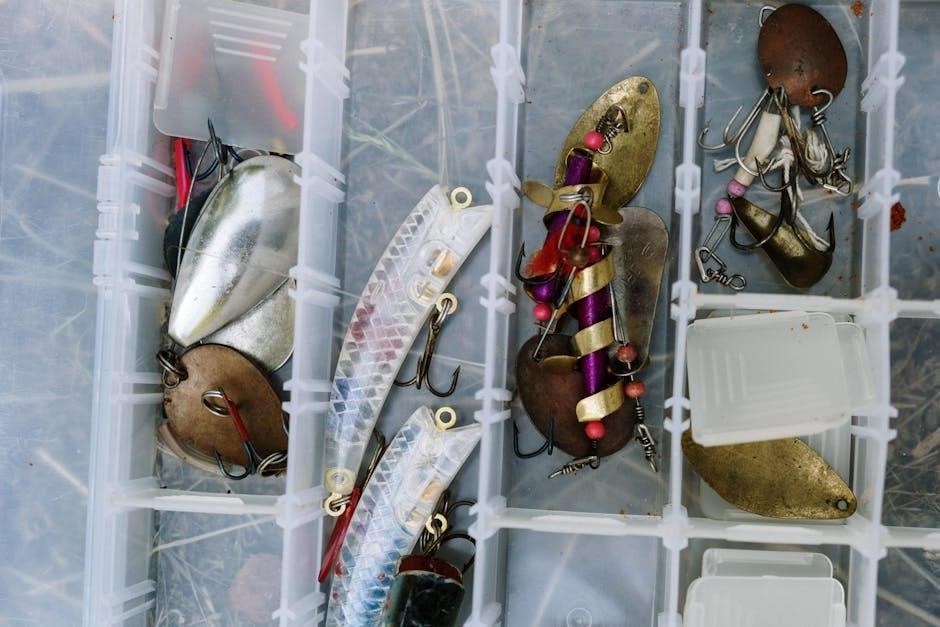
The Role of Guides in Different Fishing Techniques
Rod guides optimize line flow for specific techniques; spinning rods utilize guides facing down, while casting rods feature upward-facing guides for efficient casting.
Guides for Bass Fishing
Bass fishing demands rods equipped with guides designed for heavier lines and powerful casting. Casting rods, favored for bass, utilize guides angled upwards to manage the force of casting lures and controlling fish.
The guide configuration on a bass rod directly impacts lure presentation and hookset power. Larger diameter guides are crucial for minimizing friction when using braided lines, common in bass fishing due to their sensitivity and strength.
Optimized guide placement ensures smooth line travel, enhancing casting distance and accuracy, essential for targeting bass in various cover and structures. Selecting a rod with quality guides is paramount for a productive bass fishing experience.
Guides for Trout and Panfish Fishing
Trout and panfish fishing typically employs lighter lines and lures, necessitating rods with smaller, more sensitive guides. Spinning rods are frequently used, featuring guides oriented downwards to facilitate smooth line flow from the spinning reel.
These guides prioritize finesse and sensitivity, allowing anglers to detect subtle strikes from wary trout or panfish. The number and spacing of guides are carefully considered to balance line control and casting distance for these lighter presentations.
Quality guides minimize line memory and friction, enhancing casting accuracy and preventing line damage, crucial when using light fluorocarbon or monofilament lines.
Guides for Pike and Musky Fishing
Pike and musky fishing demands robust rods equipped with larger, more durable guides to handle heavy lines and substantial lures. Casting rods are the preferred choice, utilizing guides angled upwards to manage the forceful casting motions required for these predatory species.
These guides must withstand the stress of powerful casts and the abrasion of thick braided lines often used when targeting pike and musky. Durability is paramount, as these fish can exert immense pressure during the fight.
High-quality guides minimize line friction, preventing heat buildup and potential line failure when reeling in these powerful fish.
Advanced Guide Technologies
Innovative guide designs, like K-Series and spiral wraps, reduce friction and enhance casting performance, improving line flow and distance for anglers.
K-Series Guides: Reducing Line Friction
K-Series guides represent a significant advancement in rod guide technology, specifically engineered to minimize line friction during the cast. These guides feature a unique tangles-free design, utilizing a wider, more gradual curve to allow the fishing line to flow smoothly from the spool to the rod tip.
This reduction in friction translates directly into increased casting distance and improved accuracy. By lessening the energy lost due to line-to-guide contact, anglers can achieve longer casts with less effort. Furthermore, the smoother line flow contributes to reduced line wear, extending the lifespan of your fishing line. K-Series guides are particularly beneficial when using braided lines, known for their low stretch and sensitivity, as they further enhance performance.
Spiral Wrapped Guides: Enhanced Casting Performance
Spiral wrapped guides represent a radical departure from traditional guide configurations, offering notable enhancements to casting performance. Unlike conventional setups where guides progress linearly up the rod, spiral wraps position them in a spiraling pattern along the blank.

This unique arrangement minimizes lateral line movement during the cast, reducing friction and improving energy transfer. The spiraling guides help to control the line’s angle as it leaves the spool, resulting in smoother, more accurate casts, particularly with longer distances. This design is especially effective with baitcasting reels, mitigating backlashes and maximizing casting efficiency. Spiral wraps also contribute to a more ergonomic casting experience.
Choosing the Right Guided Rod for Your Needs
Selecting a guided rod requires considering target species, fishing style, and budget; versatility is limited, so specialized rods enhance technique-specific productivity.
Considering Your Target Species
Matching your guided rod to the fish you pursue is paramount. For species like walleye, trout, and panfish, spinning rods are frequently preferred due to their versatility and ease of use. Conversely, when targeting larger, more powerful fish such as bass, pike, musky, salmon, or catfish, casting rods generally provide the necessary strength and control.
Understanding the typical size and fighting style of your target species will dictate the required rod power and action. A lighter power rod is suitable for smaller fish, while a heavier power rod is needed for larger ones. Carefully assess these factors to optimize your angling experience and increase your chances of success.
Evaluating Your Fishing Style
Your preferred fishing techniques heavily influence guided rod selection. If you favor techniques requiring long casts and delicate presentations, a spinning rod with a moderate action might be ideal. Conversely, if you prefer power fishing techniques like jigging or flipping, a casting rod with a fast action will offer greater control and sensitivity.
Consider whether you prioritize finesse or brute force. Do you enjoy a more relaxed, methodical approach, or a more aggressive, active style? Aligning your rod choice with your natural angling tendencies will enhance enjoyment and effectiveness on the water.
Budget Considerations
Rod and guide quality significantly impacts price. Entry-level guided rods offer affordability, utilizing metal guides and simpler construction. However, these may lack the sensitivity and durability of higher-end options. Investing in rods with ceramic or silicon carbide (SiC) guides provides superior line protection and casting performance, but at a higher cost.
Determine your budget realistically. A moderate investment can yield a rod offering a good balance of features and performance. Prioritize essential components like guide material and rod action, rather than solely focusing on brand name or aesthetics.

Future Trends in Rod Guide Technology
Innovations focus on new materials and coatings to reduce friction, alongside designs like spiral wraps for enhanced casting, improving overall rod performance.
New Materials and Coatings
The evolution of rod guide technology increasingly centers on advanced materials and specialized coatings designed to minimize line friction and maximize durability. Manufacturers are actively researching and implementing innovative compounds beyond traditional ceramic and metal alloys. These include enhanced polymers and composite materials offering superior wear resistance and reduced weight.
Furthermore, specialized coatings, such as fluoropolymers and diamond-like carbon (DLC), are being applied to guide inserts to create exceptionally smooth surfaces. These coatings significantly reduce heat buildup during casting, protecting both the fishing line and the guide itself. This focus on material science promises to deliver guides that are lighter, stronger, and more efficient, ultimately enhancing the angler’s experience and casting performance.
Innovative Guide Designs
Beyond materials, groundbreaking guide designs are reshaping rod performance. Spiral-wrapped guides, for instance, redistribute line pressure, reducing stress on the rod blank and improving casting distance and accuracy; K-series guides, recognized for their unique frame shape, minimize line tangles and friction, contributing to smoother casts and enhanced sensitivity.
Interline rods represent a distinct departure, integrating the line within the rod itself, eliminating the need for traditional guides altogether. These designs, alongside ongoing refinements to conventional guide configurations, demonstrate a commitment to optimizing line flow and angler control. These innovations aim to provide a more efficient and enjoyable fishing experience.